


The Arctic region rapidly transforms from a remote, frozen periphery into a critical geopolitical and economic hub. A recent assessment from Vladimirov and Petrova highlights this significant shift. They suggest the United States and Europe lag in the intensifying competition for regional control.
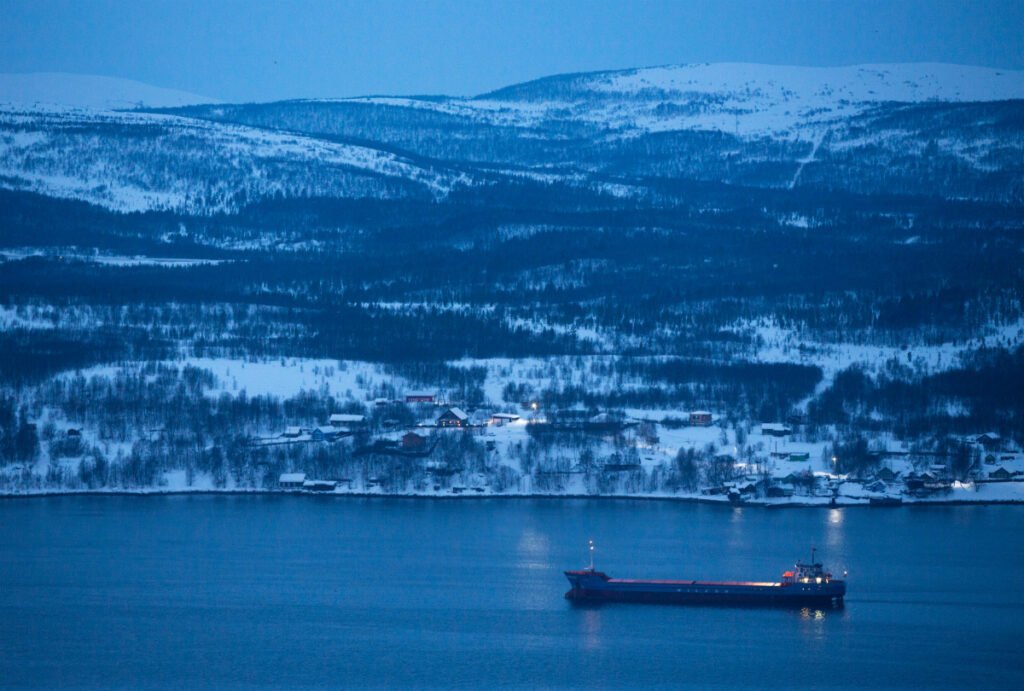
Transforming Arctic Landscape
Melting sea ice directly contributes to this transformation. The Arctic warms nearly four times faster than the global average. This rapid warming makes previously inaccessible areas more open. Consequently, new opportunities arise across various sectors.
Strategic Resource Potential
Energy and Minerals
The High North offers vital energy resources. It also holds significant deposits of critical minerals. Nations worldwide are eyeing these valuable reserves. Access to them fuels much of the current geopolitical interest.
New Shipping Routes
Furthermore, melting ice opens new shipping routes. These routes could significantly reduce transit times between continents. They offer economic advantages for global trade. As a result, experts expect maritime traffic in the Arctic to increase.
Escalating Geopolitical Tensions
The region’s escalating strategic importance fuels geopolitical tensions. Past incidents underscore this competition. For example, a dispute between the U.S. and Europe concerning Greenland highlighted the region’s sensitivity. Nations actively seek influence and control.
Vladimirov and Petrova’s analysis emphasizes a growing disparity. Other global powers actively increase their presence. This puts the U.S. and Europe at a disadvantage. They must adapt strategies to remain competitive.



Leave a Comment