

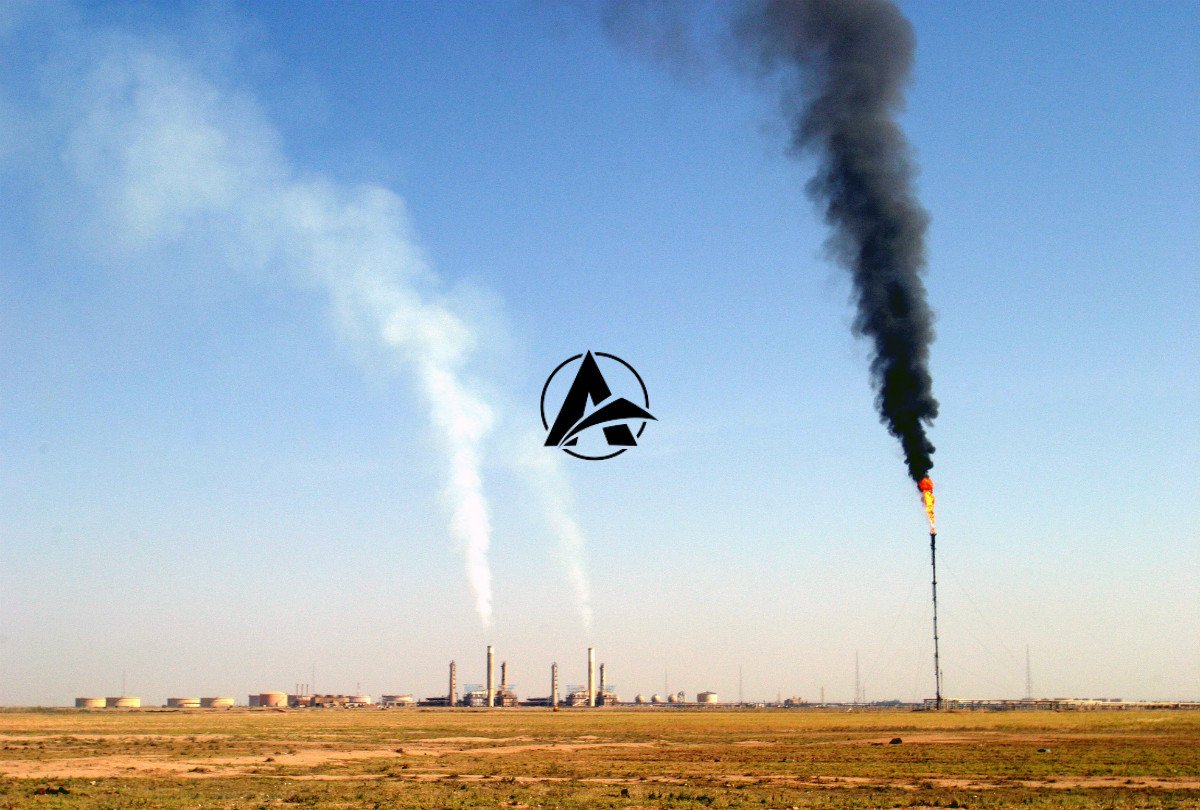

Since its 2003 invasion, the United States has maintained significant, de facto control over Iraq’s oil revenues. This enduring arrangement grants Washington considerable leverage over Baghdad’s internal affairs. It also carries substantial implications for regional dynamics, particularly concerning Iran.
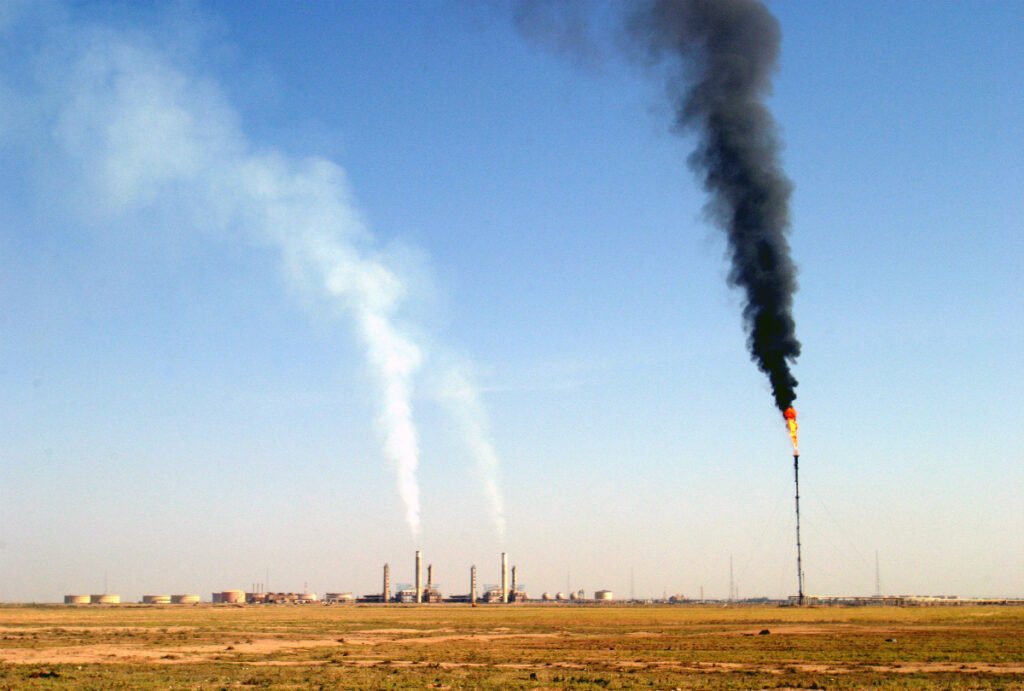
U.S. Establishes Revenue Oversight
The United States established its effective oversight of Iraq’s oil revenues following the 2003 invasion. Washington thereby secured a unique position. This position relates to Baghdad’s primary economic resource. This de facto control represents a significant authority.
Washington’s Leverage in Baghdad
Washington’s management of Iraq’s oil revenues gives it extraordinary leverage. This leverage impacts various aspects of Baghdad’s internal affairs. The U.S. can exert influence on policy decisions and governmental operations. This financial control affects Iraq’s ability to operate independently.
Regional Implications and Iran
U.S. control over Iraqi oil revenues extends its influence beyond Iraq’s borders. This arrangement possesses substantial implications for regional dynamics. These dynamics particularly concern Iran. Washington’s financial power in Iraq provides a strategic tool. It helps counter Iranian influence in the broader Middle East.
The long-standing U.S. oversight of Iraq’s oil revenues remains a critical factor. It defines the relationship between Washington and Baghdad. Furthermore, it continues to shape the geopolitical landscape of the Middle East.




Leave a Comment