

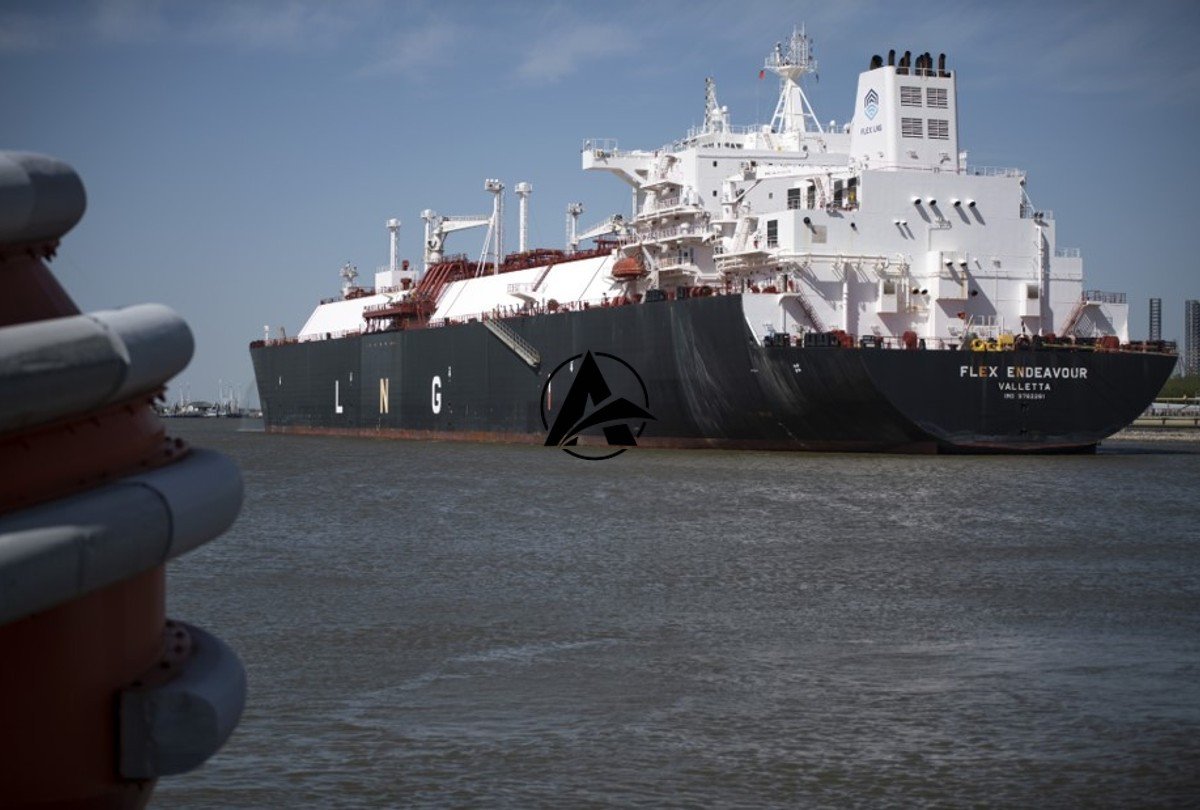

The international order currently faces significant strain, a trend highlighted by recent geopolitical developments. Despite possessing substantial energy dominance, the United States finds this power an unwieldy and ineffective tool in international relations. Actions by the Trump administration, including controversial territorial claims—such as those concerning Greenland—have prompted traditional allies to accelerate their reevaluation and shift away from reliance on the US. Canadian Prime Minister Mark Carney articulated this sentiment at the World Economic Forum in Davos, observing a growing tendency among great powers to leverage economic integration strategically.
Geopolitical Pressures and US Influence
The global landscape shows clear signs of fragmentation. Such a fraying international order challenges established alliances and traditional diplomatic norms. The Trump administration notably engaged in, then retracted, several brazen territorial claims during its tenure.
Greenland Claims and Allied Reactions
Discussions surrounding Greenland exemplified these controversial claims. Such actions by the administration have provided traditional allies with compelling reasons to reconsider their long-standing reliance on the United States. Consequently, these allies are increasingly accelerating their efforts to diversify strategic partnerships and reduce their dependence on US influence. This shift reflects a broader reevaluation of global power dynamics and national interests.
Energy Dominance: An Unwieldy Tool
The United States holds a position of significant energy dominance globally. However, this substantial power proves to be an unwieldy and ineffective instrument in international relations. Its application as a strategic “weapon” often yields unintended consequences or fails to achieve desired diplomatic outcomes. This inherent clumsiness limits its utility as a coercive or persuasive tool in complex geopolitical scenarios.
Economic Integration as a Strategic Lever
Canadian Prime Minister Mark Carney highlighted a critical development at the World Economic Forum in Davos. He observed that great powers are increasingly using economic integration as a strategic instrument. This approach differs from direct military or energy-based leverage. Instead, nations employ trade agreements, investment flows, and financial systems to exert influence and achieve geopolitical objectives. Such strategies reflect a sophisticated evolution in international statecraft.


Leave a Comment