

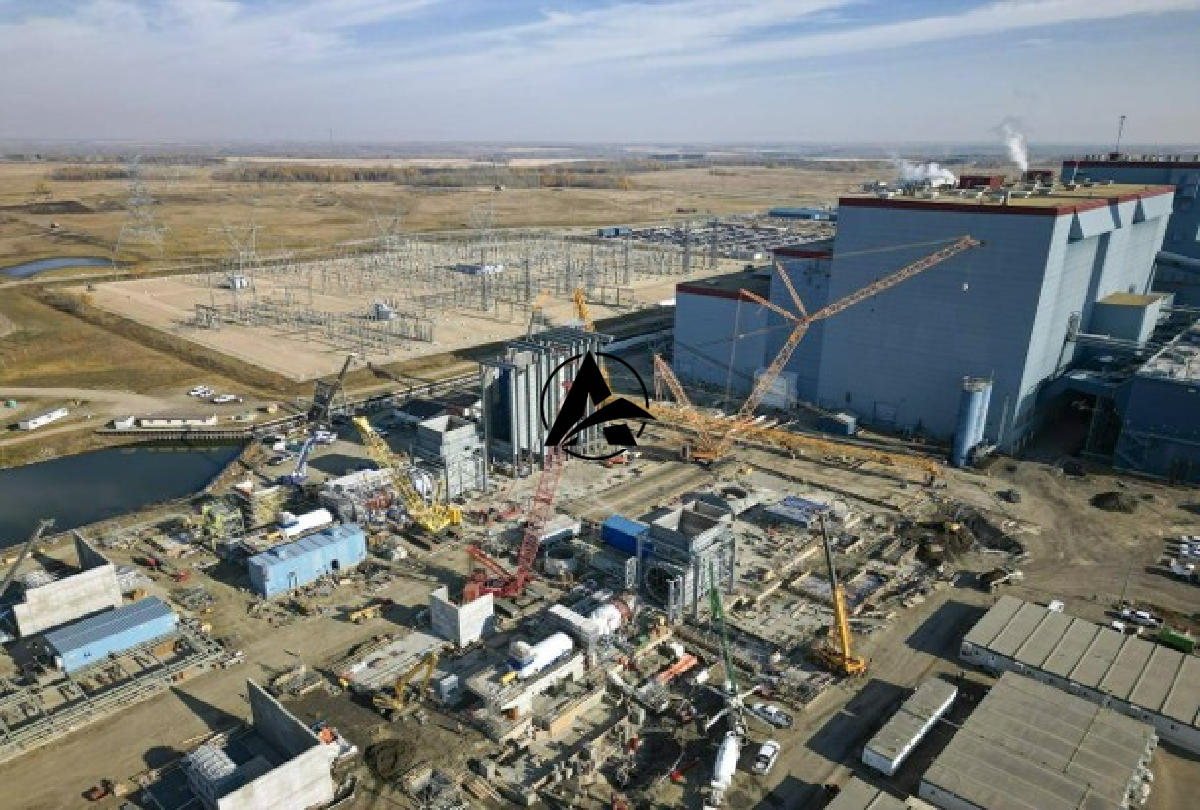

The Trump administration recently initiated an emergency power auction. This move aims to significantly accelerate the construction of new energy plants nationwide. The ambitious initiative also seeks to address and stabilize skyrocketing power bills for consumers. The administration’s strategy explicitly favors gas, coal, and nuclear power. These sources intend to meet future energy demands, particularly from the burgeoning artificial intelligence sector. A critical challenge remains: the multi-year timeline required for developing large-scale power infrastructure.

Addressing Growing Energy Demands
The administration’s push directly responds to an anticipated surge in electricity consumption. The rapidly expanding artificial intelligence industry drives much of this demand. AI data centers and related technologies require substantial power to operate. Officials believe current infrastructure may not adequately support this growth. Expediting new plant construction becomes crucial for long-term energy security.
Preferred Energy Sources
The emergency auction prioritizes specific energy types. Gas, coal, and nuclear power stand out as favored options. These traditional sources offer high-capacity, baseload power generation. The administration believes they provide reliable solutions for immediate and future needs. Their inclusion reflects a focus on established technologies.
Navigating Construction Timelines
Building large power plants presents inherent complexities. Such projects typically involve extensive planning, permitting, and construction phases. These processes can span several years, often exceeding five or more. Consequently, the administration faces a significant hurdle. Accelerating development without compromising safety or regulatory standards poses a considerable challenge. This multi-year timeframe directly contrasts with the urgent energy demands.
The emergency power auction represents a proactive step. It seeks to bolster the nation’s energy capacity. The administration aims to meet the escalating demands of sectors like AI. However, the ambitious plan confronts the reality of long development cycles. Balancing urgency with the practicalities of major infrastructure projects remains key. This initiative highlights the complex interplay between technological advancement and energy policy.



Leave a Comment