


Energy data companies TGS and Viridien have released early results from their “Laconia Phase III” ocean bottom node (OBN) seismic survey. This significant data covers the U.S. Gulf. Initial findings reveal sharper subsurface imaging. They also show reduced exploration risk. These improvements are particularly notable for key Paleogene targets.
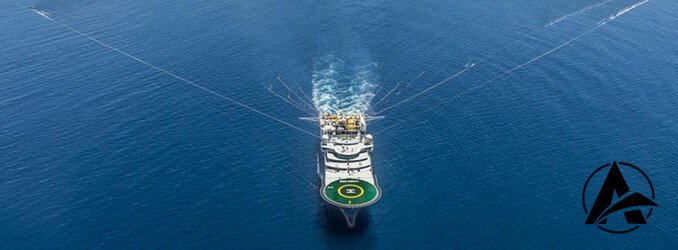
Enhanced Subsurface Clarity
The “Laconia Phase III” survey provides crucial geological insights. It significantly enhances clarity of subsurface structures. Explorers can now better understand complex formations. This advanced imaging improves decision-making. It reduces uncertainties in prospect evaluation.
Targeting Paleogene Formations
The new data specifically benefits Paleogene targets. These deepwater areas often present exploration challenges. Sharper images help identify potential hydrocarbon reservoirs. They also delineate complex geological traps. This precision is vital for successful drilling campaigns.
Strategic Timing for Lease Sale 262
This data release is strategically timed. It comes just weeks before U.S. Lease Sale 262 (BBG 1). The sale is scheduled for December 10. This timing offers a considerable advantage. Companies can utilize the new information immediately.
Informing Bidding Strategies
Explorers are currently finalizing their bidding strategies. The Laconia Phase III results offer critical subsurface insight. Companies can refine geological models. They can also assess prospectivity more accurately. This detailed understanding supports more informed bids.
Ocean Bottom Node Technology Advantages
The “Laconia Phase III” survey utilized Ocean Bottom Node (OBN) technology. OBN systems offer superior data quality. They capture seismic signals from the seafloor. This method provides clearer images beneath complex salt structures. Traditional towed streamer methods often struggle in these areas. Therefore, OBN technology enhances imaging capabilities significantly.
Future Outlook for U.S. Gulf
The release of this advanced seismic data marks a key development. It could spur increased exploration activity in the U.S. Gulf. Operators now possess better tools. These tools help identify and evaluate promising areas. The improved understanding of the subsurface enhances exploration efficiency. It also reduces financial risks.


1 Comment