

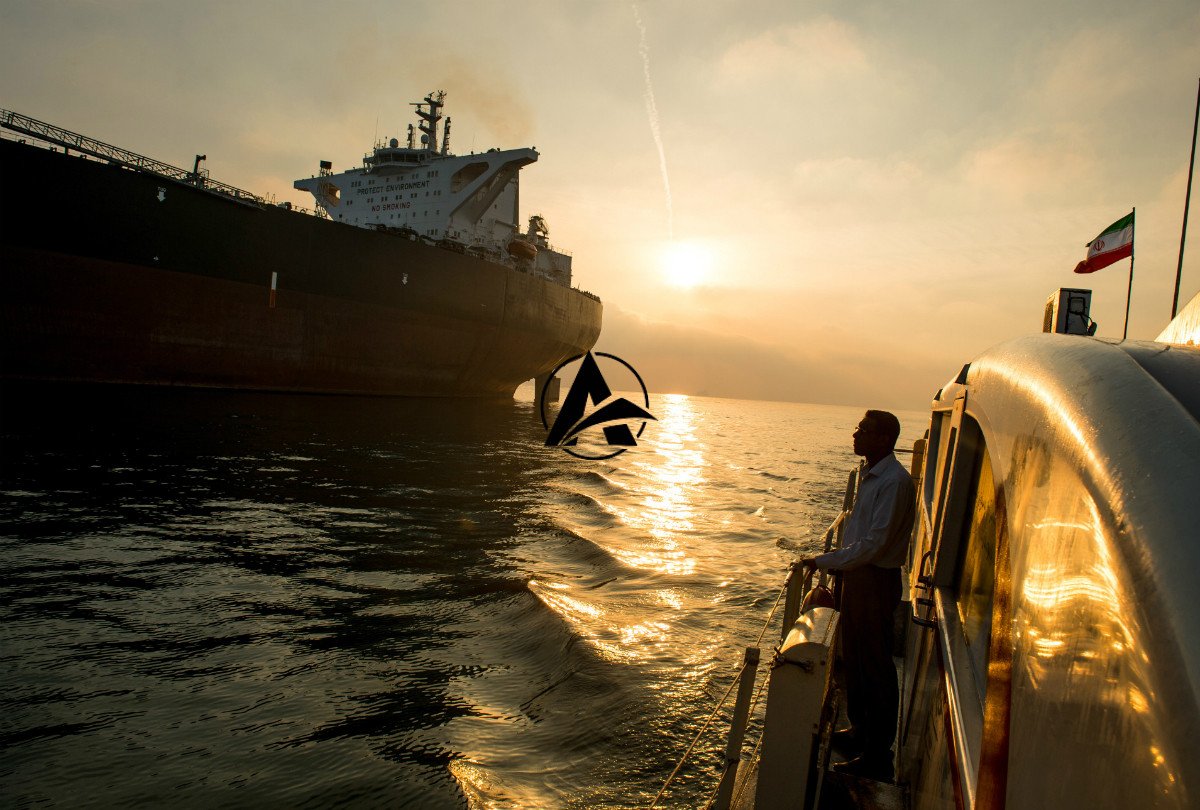

Iran is currently holding a record volume of its crude oil and condensate at sea. This unprecedented quantity equals approximately 50 days of the nation’s total oil output. Several geopolitical and economic factors contribute to this significant level of seaborne storage. Analytics firms Kpler and Vortexa compiled this information.

Factors Driving Offshore Storage
This record accumulation of oil on the water stems from a combination of international pressures and strategic decisions by Tehran. The move highlights Iran’s response to ongoing challenges in global energy markets.
Impact of Sanctions on China’s Purchases
A primary reason for the increased storage involves significantly reduced purchases by China. China traditionally acts as a major buyer of Iranian oil. However, international sanctions against Tehran have curtailed these transactions. This reduction in demand forces Iran to find alternative storage solutions.
Strategic Protection Against U.S. Risks
Iran also strategically stores these supplies at sea as a protective measure. This decision aims to safeguard its valuable oil assets. The move specifically addresses the potential risk of U.S. military strikes. By dispersing its reserves across various maritime locations, Iran seeks to mitigate potential losses from any targeted actions.
Implications and Data Insights
The current situation underscores the complex challenges Iran faces in exporting its oil. It reflects the direct consequences of sanctions and geopolitical tensions on the country’s energy sector. Data from Kpler and Vortexa consistently tracks these developments. These firms provide crucial insights into global oil flows and storage trends.



Leave a Comment