


Refineries spanning the U.S. Gulf Coast, from Corpus Christi, Texas, to Pascagoula, Mississippi, possess the specific capabilities required to process heavy sour and corrosive crude oil. This type of crude is characteristic of Venezuela’s production. The adaptation of these plants to handle such challenging feedstock began decades ago, establishing a specialized processing infrastructure in the region.
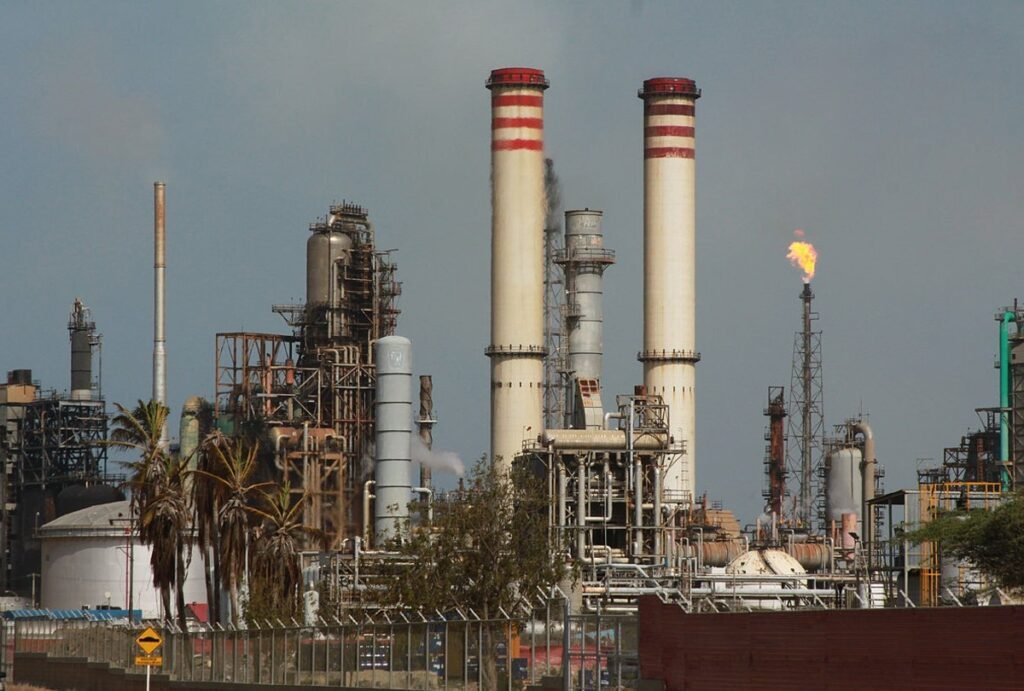
This long-standing operational readiness now assumes new significance. President Donald Trump reportedly plans to introduce Venezuelan crude to the U.S. market. This decision comes after the recent capture of Nicolas Maduro last weekend.
Gulf Coast Refinery Adaptations
U.S. Gulf Coast refineries undertook extensive reconfigurations of their facilities starting in the 1990s. These modifications specifically prepared them for processing heavy sour crude, including the variety produced in Venezuela. Consequently, these plants developed the necessary infrastructure to manage the corrosive properties inherent in such oil.
The strategic adjustments positioned these refiners to handle a wider range of global crude types. Specifically, they can efficiently refine the dense, high-sulfur oil that Venezuela typically produces. This capability ensures a potential domestic market for the specialized crude.
Proposed Venezuelan Crude Sales
President Donald Trump’s administration reportedly intends to sell Venezuelan crude within the U.S. This development directly follows the recent apprehension of Nicolas Maduro. The plan highlights a potential shift in U.S. energy policy regarding Venezuelan oil.
Market Readiness
The existing configuration of Gulf Coast refineries makes them ideal candidates for processing any incoming Venezuelan supply. These facilities have consistently demonstrated their capacity for handling complex crude types. Therefore, they stand ready to integrate this new source into their operations without major additional modifications.





Leave a Comment