


U.S. Senator Marco Rubio emphasized that Washington’s oil “quarantine” strategy forms a pivotal part of its pressure campaign against Venezuela. He asserted that this approach provides the United States with substantial leverage. This approach enables the seizure of sanctioned crude shipments and restricts Venezuela’s overall oil exports.
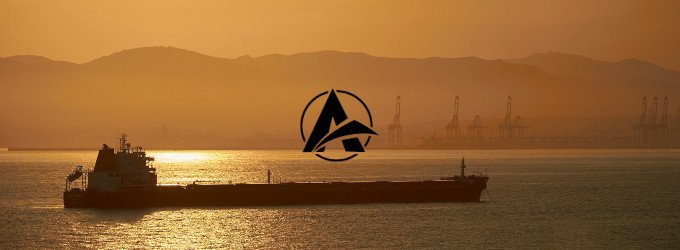
The “Oil Quarantine” Mechanism
Rubio detailed how the strategy functions. The U.S. government actively targets and seizes crude oil shipments from Venezuela that violate sanctions. This action directly impacts Venezuela’s ability to generate revenue from its primary export.
Impact on Venezuelan Exports
The “quarantine” strategy extends beyond individual seizures. It significantly constrains Venezuela’s broader oil export capabilities. Consequently, the nation faces considerable challenges in moving its oil to international markets. This restriction directly contributes to the U.S. pressure efforts.
U.S. Leverage and Strategy
Senator Rubio views this “quarantine” as a key element in Washington’s overall pressure strategy on Venezuela. The consistent disruption of oil sales and seizures of shipments create ongoing economic strain. He believes these measures empower the U.S. position in diplomatic and economic engagements.
Broader Context of Pressure
The oil “quarantine” operates within a wider framework of U.S. sanctions and diplomatic pressure. Washington has implemented various measures targeting the Venezuelan government and its officials. The aim is to promote democratic change and address human rights concerns in the country. This particular oil strategy represents a significant economic tool within that broader effort.



Leave a Comment