

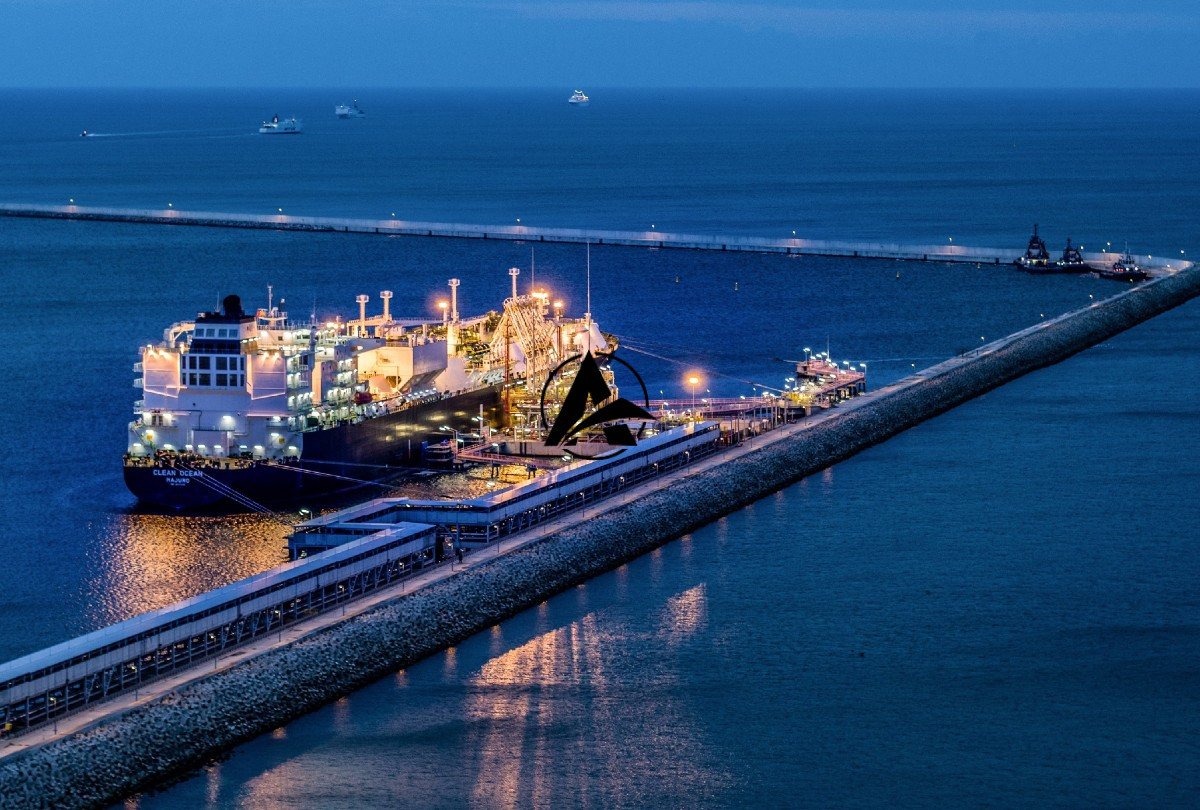

China‘s position as the world’s leading importer of liquefied natural gas (LNG) now faces considerable risk. This development coincides with a significant slowdown in Asia‘s overall LNG imports. The region’s purchases showed no growth in November, placing it on track for its first annual decline in three years. Russell’s analysis highlights these emerging trends.
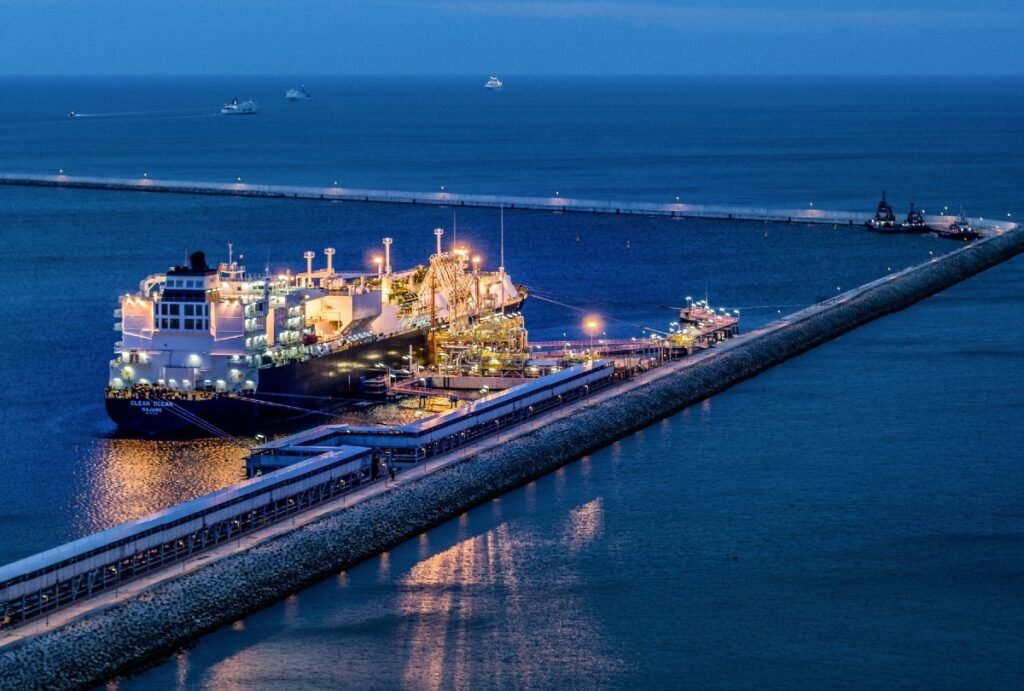
Asia’s Stalled Import Growth
Asia’s liquefied natural gas imports demonstrated a flatline performance in November. This region typically leads global purchases of the super-chilled fuel. The lack of growth represents a notable shift in market dynamics. Consequently, Asia now anticipates its first annual import reduction in three years.
High global prices for LNG represent a significant factor in this outcome. These elevated costs actively cap demand across the continent. Nations therefore reduce their purchasing volumes, seeking more economical energy alternatives. This trend reshapes traditional import patterns within the region.
China’s Reduced Influence
China largely drives this regional import slowdown. The nation’s reduced purchasing directly impacts the overall figures. China previously held the status of the world’s top LNG importer. However, current market conditions threaten its continued dominance.
Its decreased demand contributes significantly to Asia’s flatlined imports. This situation could allow another country to claim the top spot. Analysts identify China as a key contributor to the soft market outcome. Therefore, its import strategy holds considerable weight for the global LNG landscape.
Impact of Elevated Prices
Persistently high global LNG prices deter buyers worldwide. Companies and governments increasingly seek more affordable energy sources. This economic pressure directly affects import volumes across Asia. Such elevated costs make large-scale LNG purchases less viable for many nations.
Consequently, countries reduce their reliance on the fuel. This trend reshapes global energy trade dynamics. Energy consumers prioritize cost-effectiveness, leading to a direct decrease in demand for expensive LNG. The market reacts to these financial pressures.
The combination of high prices and reduced Chinese demand creates uncertainty in the LNG market. Asia’s position as a dominant LNG buyer is shifting. The coming months will reveal the full extent of this transformation and China’s future as a top importer.




Leave a Comment