

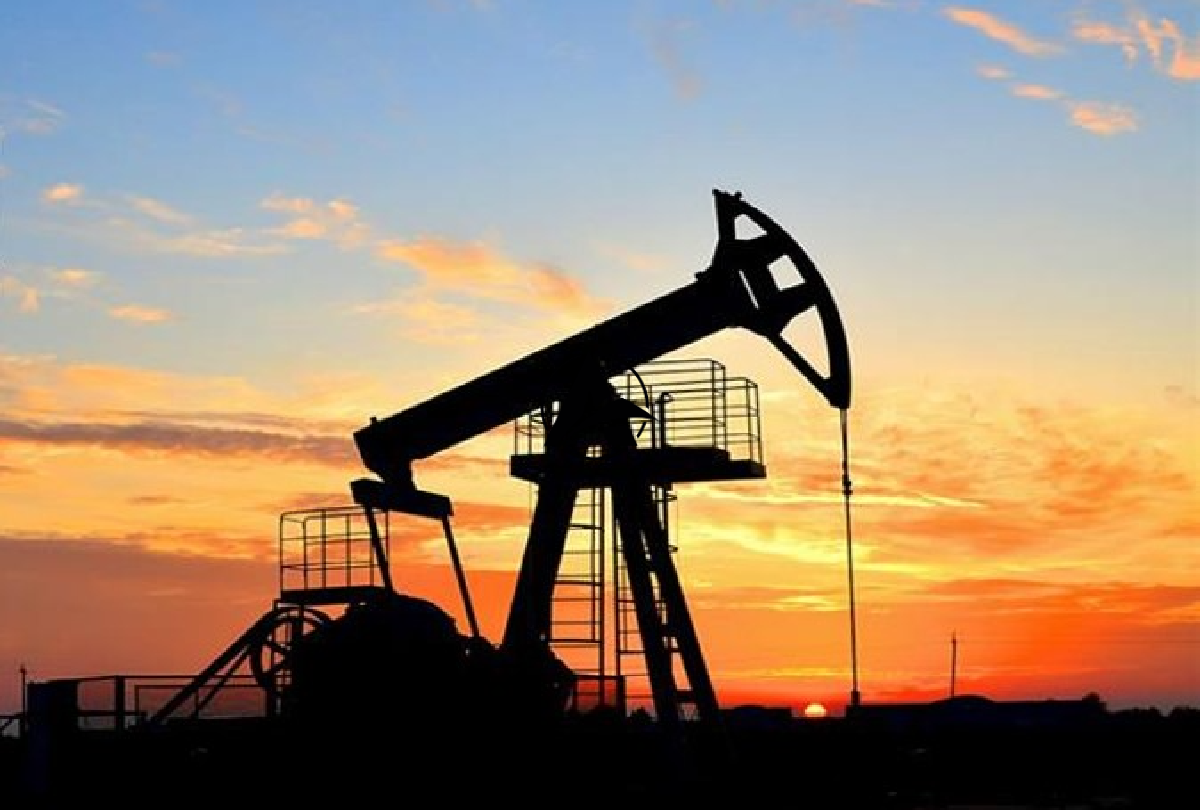

European nations are reportedly easing their long-standing opposition to new oil and gas drilling. This strategic move marks a significant departure from years of climate-driven resistance to fossil fuels. Governments primarily aim to lessen their substantial dependence on costly energy imports, a category that includes supplies from the United States.
Policy Reversal Emerges
For many years, European countries maintained strict stances against new fossil fuel exploration. Climate concerns heavily influenced these policies. However, current economic and geopolitical circumstances prompt a different approach. This shift indicates a pragmatic re-evaluation of energy security.
Addressing Energy Import Costs
Economic factors primarily drive this policy change. Nations seek to lower their significant reliance on expensive energy imports. These imports constitute a major financial burden for many European economies. Reducing this dependence has become a critical national priority.
Nations Leading the Shift
Greece, Italy, and Britain exemplify this evolving strategy. These countries now show a willingness to consider new drilling operations. Their actions signal a broader regional trend. Other European states may also follow suit.
Potential Impact on U.S. Commitments
Europe’s renewed focus on domestic drilling carries specific implications. It could challenge existing U.S. energy commitments and pledges. The shift suggests a re-evaluation of international energy dynamics. This development may alter future energy trade relationships.


Leave a Comment