

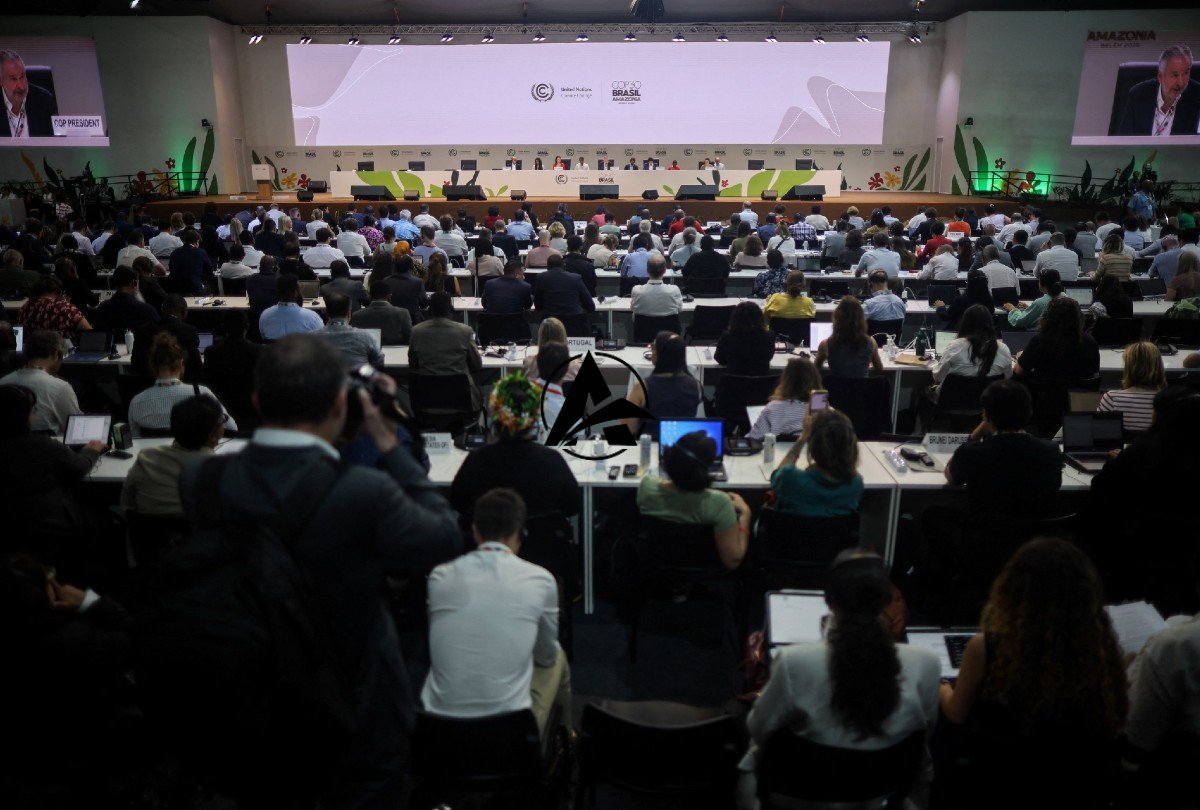

American companies are actively participating in global climate discussions. This engagement persists even as the U.S. government’s enthusiasm for the international climate agenda diminishes, particularly ahead of the upcoming COP30 summit. Extreme weather events significantly impact corporate supply chains and profitability, driving this sustained interest from the private sector.
Corporate Presence at Global Discussions
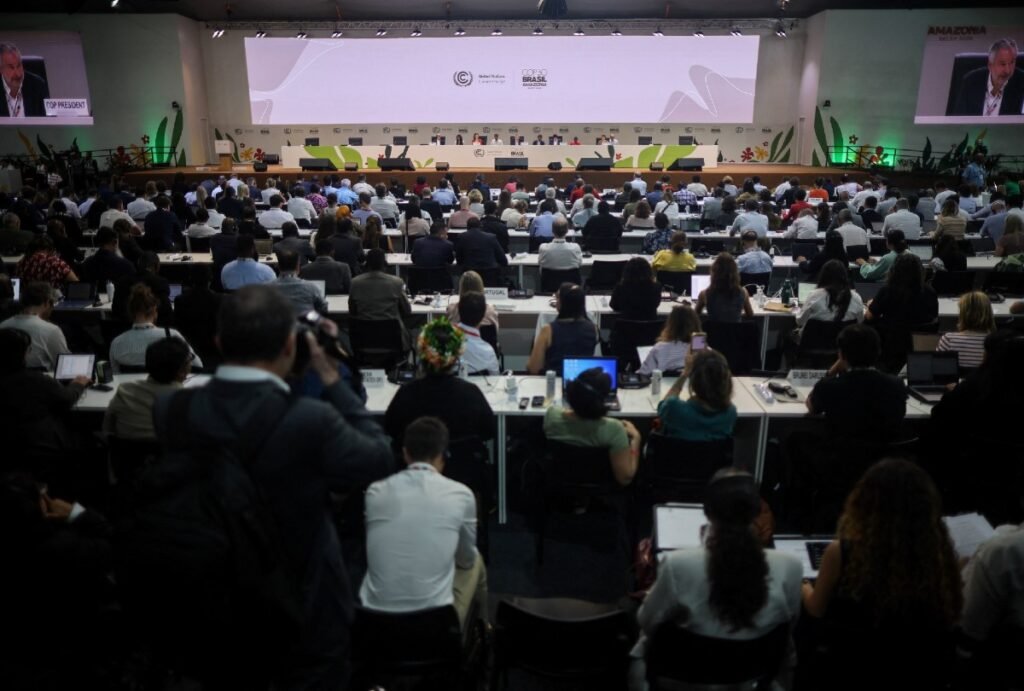
A Reuters analysis of attendance lists highlights this strong corporate commitment. Fortune 100 companies, for instance, sent more representatives to Belem for climate-related discussions than to Baku. This trend indicates a robust corporate presence at key environmental forums, underscoring their dedication to climate action.
Economic Drivers for Engagement
The economic consequences of a changing climate directly influence corporate decisions. Extreme weather disrupts global supply chains, affecting raw material sourcing and product distribution. These disruptions lead to increased operational costs and reduced profits for businesses across various sectors. Consequently, companies seek proactive solutions and engage in climate talks to mitigate these financial risks.
Business Leadership in Climate Action
Business leaders emphasize their crucial role in addressing environmental challenges. A prominent business group chief affirmed this position, stating that businesses have “a decisive role to play” in climate action. This perspective underscores a growing sense of corporate responsibility. Furthermore, many companies recognize the long-term benefits of sustainability for their brand reputation and investor relations.
Despite potential shifts in governmental priorities, American companies continue to prioritize climate engagement. Their active participation reflects a recognition of both environmental imperatives and economic realities. This sustained corporate commitment remains a significant factor in global efforts to combat climate change.


Leave a Comment