


The COP30 climate summit recently concluded. It issued a statement many characterized as weak. This final declaration notably omitted any specific mention of fossil fuels. According to a summary by Clyde Russell for Reuters, this outcome represented the most realistic expectation given complex international negotiations.
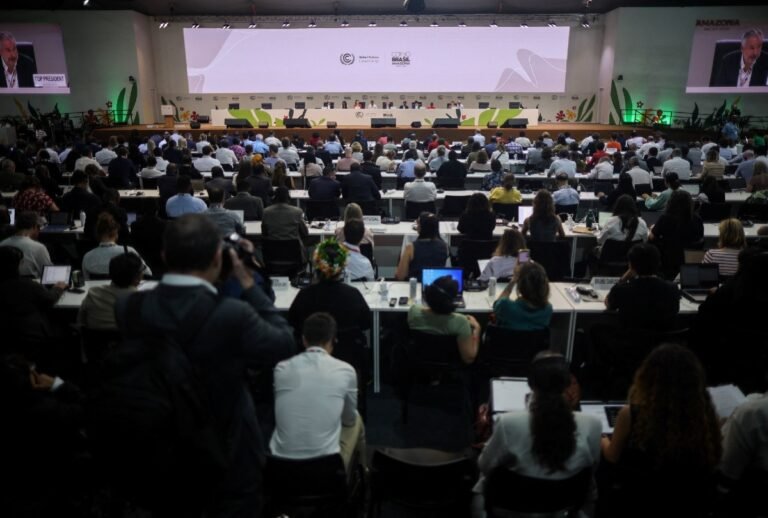
Negotiators faced a significant challenge. They aimed to forge a strong and comprehensive declaration. Nearly 200 nations participated in the summit. Each country arrived with distinct perspectives and national interests. This diversity created considerable hurdles for reaching broad consensus.
Summit Outcome Details
The omission of fossil fuels drew particular attention. Many observers saw this absence as an indicator of weakness. The statement focused on broader climate goals, not specific energy sources.
Realistic Expectations
Analysts had widely anticipated a less ambitious outcome. Uniting such a varied group proved formidable. A robust statement was unlikely. Diverse economic priorities contributed to this difficulty.
Challenges in Global Negotiations
The sheer number of participating countries complicated the process. Nearly 200 nations needed common language. Differing agendas made consensus difficult. This inherent diversity shaped the summit’s final agreement.
Ultimately, COP30 highlighted difficulties in unified global climate action. The declaration reflected these persistent challenges. It underscored complexities in reconciling diverse international viewpoints.



Leave a Comment