


The Permian Basin, a vital center for the U.S. shale industry in Texas, is currently experiencing considerable economic strain. This pressure emerges even as oil production in the region continues its upward trend. The downturn largely stems from oil prices consistently hovering around $60 per barrel, challenging the industry’s resilience.
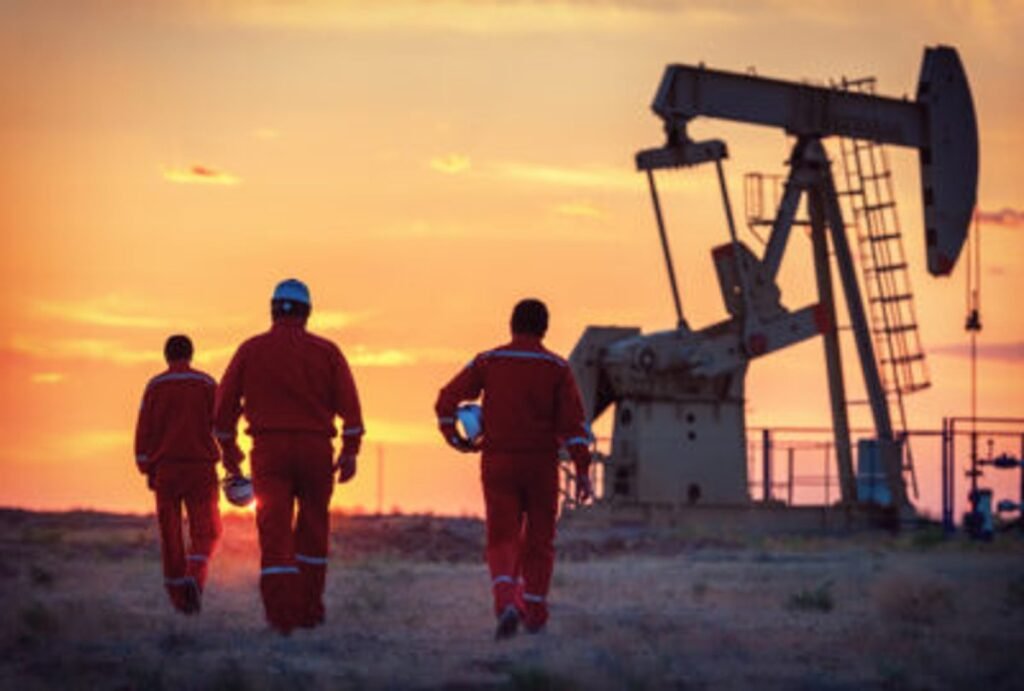
Adding to these difficulties, tariffs implemented by the Trump administration are significantly increasing operational costs for energy companies. These rising expenses directly impact profitability. Consequently, the region observes a growing number of idle shale rigs, an increase in layoffs, and widespread suffering among local businesses and workers.
Economic Strain Emerges in Permian
The Permian Basin, a cornerstone of American energy, faces a difficult economic period. Despite its importance, the region’s financial health shows signs of stress. Oil prices around $60 per barrel test the endurance of many energy firms operating there.
This price point makes it harder for companies to maintain robust profit margins. Industry analysts observe a tightening of budgets across the sector. The overall economic environment has become less favorable for expansion and investment.
Production Continues Amid Headwinds
Remarkably, oil production within the Permian Basin continues to climb. Companies extract more crude from the ground. This increased output occurs even as the economic challenges mount.
This situation presents a paradox for the industry. Higher production traditionally signals prosperity. However, current market conditions prevent these gains from translating into widespread economic stability for the region.
Tariffs Drive Up Operational Costs
Tariffs imposed by the Trump administration have introduced another layer of complexity. These duties directly increase the cost of materials and equipment. Consequently, energy companies face higher expenditures for their operations.
Profit Margins Narrow
The increased operational costs directly reduce companies’ profitability. Firms find it harder to achieve their financial targets. This pressure on profit margins impacts their ability to invest and hire.
Furthermore, this situation forces companies to re-evaluate their drilling plans. Many projects become less economically viable. The overall financial outlook for the industry grows more conservative.
Local Economy Feels the Impact
The economic strain has tangible effects across the Permian Basin. An increasing number of shale rigs now sit idle. This idleness directly reflects reduced drilling activity.
Workforce and Businesses Suffer
Layoffs are on the rise within the industry. Many workers face job insecurity or unemployment. Local businesses, heavily reliant on the energy sector, also experience significant hardship. Their revenues decline as industry activity slows down, impacting the broader community.


Leave a Comment